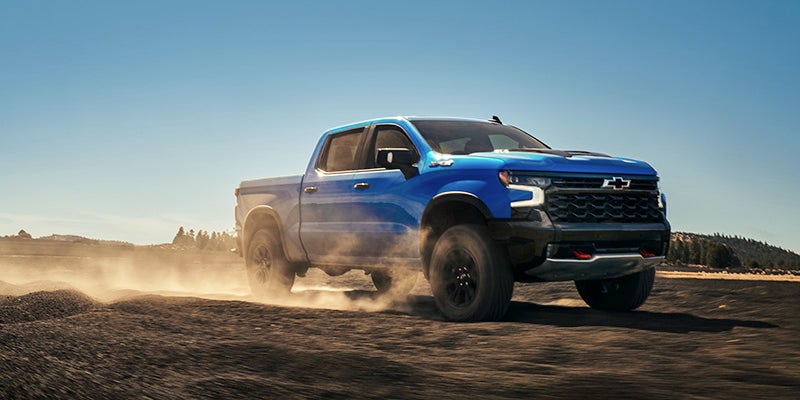
In today’s fast-paced business world, corporate fleet vehicles play a crucial role in keeping operations running smoothly. Whether you’re considering establishing a fleet for your company or looking to optimize your existing one, understanding the ins and outs of fleet vehicles is essential. This guide will explore everything from what constitutes a fleet vehicle to the financial implications of owning one.
What is a Corporate Fleet Vehicle?
A corporate fleet vehicle is any car, truck, or van owned or leased by a company for business use. These vehicles are typically used by employees for work-related tasks, such as sales calls, deliveries, or service appointments. Fleet vehicles can range from compact cars to heavy-duty trucks, depending on the company’s needs.
Fleet Vehicle Options: New vs. Used
When building your fleet, you have two main options: new or used vehicles. Each has its advantages:
New Fleet Vehicles
- Latest technology and safety features
- Lower maintenance costs in the early years
- Better fuel efficiency in many cases
- Potential tax incentives for eco-friendly models
Used Fleet Vehicles
- Lower initial cost
- Reduced depreciation
- Potentially lower insurance premiums
- More budget-friendly for expanding fleets
Purchasing vs. Leasing Fleet Vehicles
One of the biggest decisions in fleet management is whether to purchase or lease vehicles. Here’s a breakdown of each option:
Purchasing
- Builds equity in the vehicles
- No mileage restrictions
- Freedom to modify vehicles as needed
- Potential tax benefits through depreciation
Leasing
- Lower upfront costs
- Predictable monthly expenses
- Easier to upgrade to newer models regularly
- Maintenance often included in the lease agreement
The choice between purchasing and leasing depends on your company’s financial situation, cash flow needs, and long-term goals. Businesses with stable cash flow and a need for long-term vehicle use might benefit more from purchasing, while those prioritizing flexibility and lower upfront costs might prefer leasing.
Fleet Maintenance at Dealerships
Regular maintenance is crucial for keeping your fleet running efficiently. Many businesses choose to partner with dealerships for fleet maintenance because:
- Dealerships have specialized knowledge of specific vehicle brands
- They often offer priority service for fleet customers
- Maintenance records are easily tracked and managed
- Warranty work can be handled seamlessly
Establishing a relationship with a dealership can lead to better service and potentially lower costs over time.
Types of Fleets
There are generally two types of fleets:
- Commercial Fleets: Used by businesses for specific work purposes (e.g., delivery trucks, service vans)
- Executive Fleets: Provided to employees as part of their compensation package
Understanding which type suits your business needs is crucial for effective fleet management.
Life Expectancy and Resale Value of Fleet Vehicles
The life expectancy of a fleet vehicle varies depending on usage, but typically ranges from 3-5 years or 60,000-100,000 miles. After this point, maintenance costs often increase, and it becomes more economical to replace the vehicle.
Resale value is an important consideration in fleet management. Fleet vehicles often depreciate faster than personal vehicles due to higher mileage and wear. However, well-maintained fleet vehicles from reputable brands can still retain good resale value.
Buying a Fleet Vehicle as an Individual
While fleet vehicles are primarily for business use, individuals sometimes consider purchasing former fleet vehicles. This can be a good option if:
- You’re looking for a well-maintained used vehicle
- You don’t mind higher mileage
- You’re seeking a potential bargain
However, be sure to thoroughly inspect the vehicle and review its maintenance history before purchasing.
Tax Deductions for Fleet Vehicles
Businesses can often deduct fleet vehicle expenses on their taxes. Deductible expenses may include:
- Depreciation
- Lease payments
- Fuel costs
- Maintenance and repairs
- Insurance premiums
It’s essential to keep detailed records of all vehicle-related expenses and consult with a tax professional to ensure you’re maximizing your deductions while complying with tax laws.
Conclusion
Corporate fleet vehicles are a significant investment for any business. By understanding the options available, from purchasing versus leasing to maintenance considerations and tax implications, you can make informed decisions that benefit your company’s bottom line and operational efficiency.
Whether you’re in the market for fleet vehicles for sale or looking to optimize your existing fleet, remember that the right choice depends on your specific business needs, financial situation, and long-term goals. With careful planning and management, a well-maintained fleet can be a valuable asset to your company’s success.